

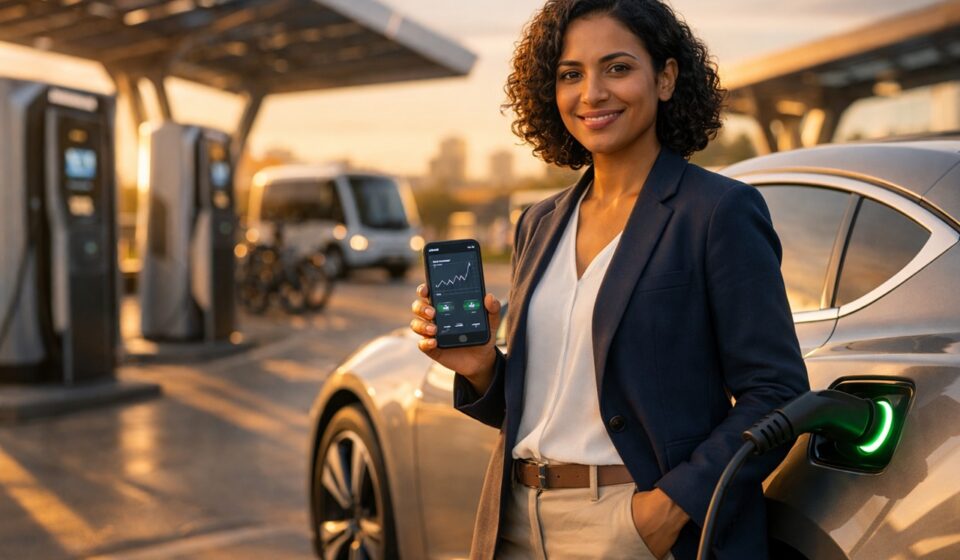

Electric vehicles trends 2030 point toward rapid adoption, smarter technology, and transformed infrastructure that will reshape how we move. Therefore, understanding these shifts helps you make informed decisions about buying, investing, or planning for the future of transportation.
Moreover, the transition to electric mobility is accelerating faster than most predictions suggested. You do not need to be an industry expert to spot the changes happening now. Additionally, the 10 trends outlined below represent electric vehicles trends 2030 that will directly impact drivers, businesses, and communities worldwide.
Whether you drive electric or gas, following essential car maintenance tips helps you get the most from any vehicle you own.
Your EV Roadmap: 10 Shifts to Watch Through 2030
Because the electric vehicle landscape evolves quickly, these electric vehicles trends 2030 keep you informed:
→ Battery costs dropping below $100/kWh will unlock affordable EVs for mainstream buyers
→ Charging networks expanding to match gas station convenience in most regions
→ Vehicle-to-grid technology turning cars into mobile power assets
→ Software updates adding new features after purchase, like smartphones
→ Sustainable materials replacing traditional interiors across major brands
→ Fleet electrification transforming delivery, rideshare, and public transit
→ Battery recycling scaling to handle end-of-life EVs responsibly
→ Autonomous features becoming standard in mid-range electric models
→ Emerging markets developing localized EV solutions for regional needs
→ Policy incentives shifting from rebates to infrastructure investment
Pick one trend that matters most to your situation. Small awareness today compounds into smarter decisions by 2030.
What Drives These Changes, and Why Should You Care?
Not every shift in the EV space carries equal weight when you plan your next move. Research shows that focusing on high-impact trends reduces uncertainty and improves outcomes.
For instance, battery cost declines affect vehicle affordability more than any other factor. Therefore, tracking this trend helps you time purchases or investments strategically.
Additionally, charging infrastructure growth determines daily convenience for EV owners. Consequently, understanding regional rollout plans informs where you live, work, or expand a business.
Ask yourself: Which trend affects my timeline, budget, or goals most directly? Your answer reveals where to focus attention as the transportation industry transformation unfolds.
Will Battery Costs Finally Make EVs Affordable for Everyone?
Battery technology advancements represent the single biggest driver of electric vehicle adoption trends. Costs have fallen nearly 90 percent since 2010, and analysts project prices will drop below $100 per kWh by 2027. This milestone enables manufacturers to price EVs competitively without subsidies. Therefore, average consumers gain access to affordable electric options across more vehicle categories.
Keep an eye on solid-state batteries and sodium-ion alternatives. Companies like Toyota and QuantumScape are testing next-generation cells that promise longer range and faster charging. If you plan to buy an EV within 3-5 years, monitor battery cost reports. Waiting just 12-18 months could save thousands as new models hit the market.
Where Will You Charge, and Will It Feel Convenient?
EV charging infrastructure trends will determine whether electric mobility feels seamless or stressful for everyday drivers. Governments and private companies are investing billions in public charging networks. The U.S. alone plans to deploy 500,000 new chargers by 2030 under federal infrastructure programs.
Range anxiety decreases when charging feels as accessible as refueling. Consequently, infrastructure growth directly supports electric vehicle adoption trends in residential, workplace, and highway corridors. Ultra-fast charging (350kW+) will cut stop times to 10-15 minutes for most vehicles. Additionally, wireless charging lanes and destination charging at retail locations will expand convenience beyond traditional plug-in stations.
Check charging maps for your regular routes before purchasing an EV. Apps like PlugShare or ChargePoint show real-time availability and help you assess practicality for your lifestyle.
Can Your Car Power Your Home During an Outage?
Vehicle-to-grid (V2G) systems let electric cars send power back to homes or the electrical grid, creating new value beyond transportation. Automakers like Ford, Nissan, and Hyundai now offer V2G-capable models. Utilities are piloting programs that pay EV owners for grid support during peak demand.
Your car becomes a mobile energy asset. Therefore, V2G technology transforms EV ownership from a cost center into a potential revenue stream. Standardization of V2G protocols and utility compensation rates will determine how widely this feature delivers value. Additionally, home battery systems may integrate with EVs for whole-house backup power.
If backup power or energy independence matters to you, prioritize V2G-capable vehicles when shopping. Ask dealers about compatible home charging equipment and utility program availability.
Will Your EV Get Better After You Buy It?
Electric car technology trends increasingly center on software rather than just hardware specifications. Modern EVs receive over-the-air updates that add features, improve performance, or fix issues remotely. Tesla pioneered this approach, and legacy automakers are rapidly adopting similar capabilities.
Your vehicle improves after purchase rather than depreciating immediately. Consequently, software-defined cars offer long-term value that traditional vehicles cannot match. Subscription features, autonomous driving upgrades, and personalized user experiences will expand through software. However, verify which updates are free versus paid before committing to a brand.
Research a manufacturer’s software update history before buying. Brands with consistent, valuable over-the-air support will keep your EV feeling current longer.
What Materials Will Your Future EV Be Made From?
Environmental concerns extend beyond tailpipe emissions to the entire vehicle lifecycle. Automakers are replacing leather, plastic, and rare minerals with recycled, bio-based, or ethically sourced alternatives. Volvo, Polestar, and BMW lead in transparent material sourcing.
Sustainable transportation future depends on responsible production. Therefore, material choices affect both environmental impact and brand reputation among conscious consumers. Innovations in mushroom leather, recycled ocean plastics, and low-impact aluminum will expand options. Additionally, battery recycling infrastructure will scale to recover valuable materials from end-of-life EVs.
If sustainability matters to you, ask dealers about material sourcing and end-of-life recycling programs. Brands with clear commitments will align better with zero emission vehicle trends.
How Will Electric Trucks and Vans Change Business?
Commercial vehicles represent the fastest-growing segment of electric vehicles trends 2030. Delivery companies, rideshare platforms, and municipal fleets are electrifying at scale. Amazon, FedEx, and Uber have committed to large EV deployments by 2030.
Fleet adoption drives manufacturing volume, which lowers costs for consumer vehicles. Additionally, commercial charging infrastructure benefits public access as networks expand. Purpose-built electric vans and trucks will emerge with features optimized for business use. Consequently, total cost of ownership calculations will favor EVs for many commercial applications.
If you manage a fleet or work in logistics, start pilot programs now. Early experience with EV operations builds expertise that competitors will lack later.
Will Emerging Markets Lead the Next Wave of EV Innovation?
Electric vehicle adoption trends will not follow identical paths across all regions. Countries in Asia, Africa, and Latin America are developing localized EV solutions suited to regional infrastructure, income levels, and transportation needs.
Two-wheel and three-wheel electric vehicles may achieve mass adoption faster than cars in some markets. Therefore, innovation in emerging economies could influence global EV design and business models. Battery swapping stations, micro-EVs, and pay-as-you-go financing will expand access where traditional ownership models face barriers. Additionally, local manufacturing may reduce costs and create jobs.
If you invest, work, or travel in emerging markets, monitor regional EV policies and pilot programs. Early insights reveal opportunities that global headlines may miss.
Will Your EV Drive Itself Soon?
Electric platforms provide ideal foundations for advanced driver assistance and autonomous capabilities. Most new EVs include sensors, cameras, and computing power that enable incremental autonomy improvements through software updates.
Safety, convenience, and accessibility improve as autonomous features mature. Consequently, EVs may lead the transition to self-driving transportation at scale. Regulatory frameworks, liability standards, and public acceptance will determine deployment speed. Additionally, geofenced autonomous services may launch in specific cities before broader rollout.
If autonomous features interest you, research which brands offer expandable hardware and regular software improvements. Avoid systems that cannot receive meaningful updates after purchase.
How Will Government Policy Shape Your EV Journey?
Government incentives shape market dynamics more than consumer preference alone. Many regions are transitioning EV subsidies from purchase rebates to charging infrastructure, grid upgrades, and manufacturing support.
Infrastructure investment creates lasting foundations for adoption. Therefore, policy evolution affects where and how quickly electric mobility becomes practical. Emissions regulations, zero-emission vehicle mandates, and carbon pricing will influence manufacturer strategies. Additionally, trade policies affecting battery materials could impact vehicle availability and cost.
Track policy developments in your region before major purchases or investments. Understanding incentive timelines helps you maximize benefits and avoid missing deadlines.
What Does the Bigger Picture Look Like for Sustainable Transport?
Electric vehicles represent one piece of broader mobility transformation. Integration of EVs with public transit, micromobility, and smart city systems will create seamless, efficient transportation networks.
Individual vehicle choices connect to systemic change. Consequently, supporting integrated mobility solutions amplifies the impact of personal EV adoption. Mobility-as-a-service platforms, multimodal trip planning apps, and congestion pricing will reshape how people move in urban areas. Additionally, renewable energy integration will maximize the environmental benefits of electric transportation.
Consider how your EV fits into your broader transportation ecosystem. Combining electric driving with public transit, biking, or walking often delivers greater sustainability than any single choice alone.
FAQs About Electric Vehicles
Will electric vehicles be affordable for average buyers by 2030?
Yes. Battery cost declines and manufacturing scale will make EVs price-competitive with gas cars. Therefore, expect more budget-friendly options across vehicle categories within 5-7 years.
Should I buy an EV now or wait for better technology?
If you need a vehicle today, current EVs meet most needs well. However, waiting 12-24 months could bring improved range, faster charging, and lower prices. Consequently, base your decision on immediate needs versus potential gains.
How reliable is the charging infrastructure today?
Urban and highway corridors in developed regions offer good coverage. However, rural areas and some emerging markets still face gaps. Therefore, check charging maps for your typical routes before committing.
Will my EV become outdated quickly due to software changes?
Modern EVs receive over-the-air updates that add features over time. However, verify a brand’s update history before buying. Consequently, choose manufacturers with strong software support to extend vehicle relevance.
What happens to EV batteries at end of life?
Recycling infrastructure is scaling rapidly. Most battery materials can be recovered and reused. Additionally, second-life applications like home energy storage extend battery value before recycling.
How do EVs perform in extreme weather?
Cold temperatures reduce range temporarily, but pre-conditioning while plugged in minimizes impact. Heat management systems protect batteries in hot climates. Therefore, understand your regional conditions and plan charging accordingly.
Will autonomous features make my EV safer?
Advanced driver assistance systems already reduce certain crash types. However, full autonomy requires more testing and regulatory approval. Consequently, treat autonomous features as helpful aids, not replacements for attentive driving.
Conclusion: One Smart Move Today Shapes Your EV Tomorrow
Choosing to learn about electric vehicles trends 2030 puts you ahead of the curve. Therefore, you gain clarity while others wait for perfect information.
Small steps compound into meaningful advantage. Explore one trend that connects to your goals. Talk to an EV owner. Test drive a model when you can.
These 10 shifts work together to create cleaner, smarter, more accessible transportation. Understanding them helps you decide with confidence, not guesswork.
Ultimately, the electric transition rewards curiosity and action. You do not need to predict everything perfectly. Start where you are. Learn as you go. Your future mobility begins with the choices you make today.